
2026-08-19 · Tom Henderson
Preparing Your AC for Heat Waves in Cupertino
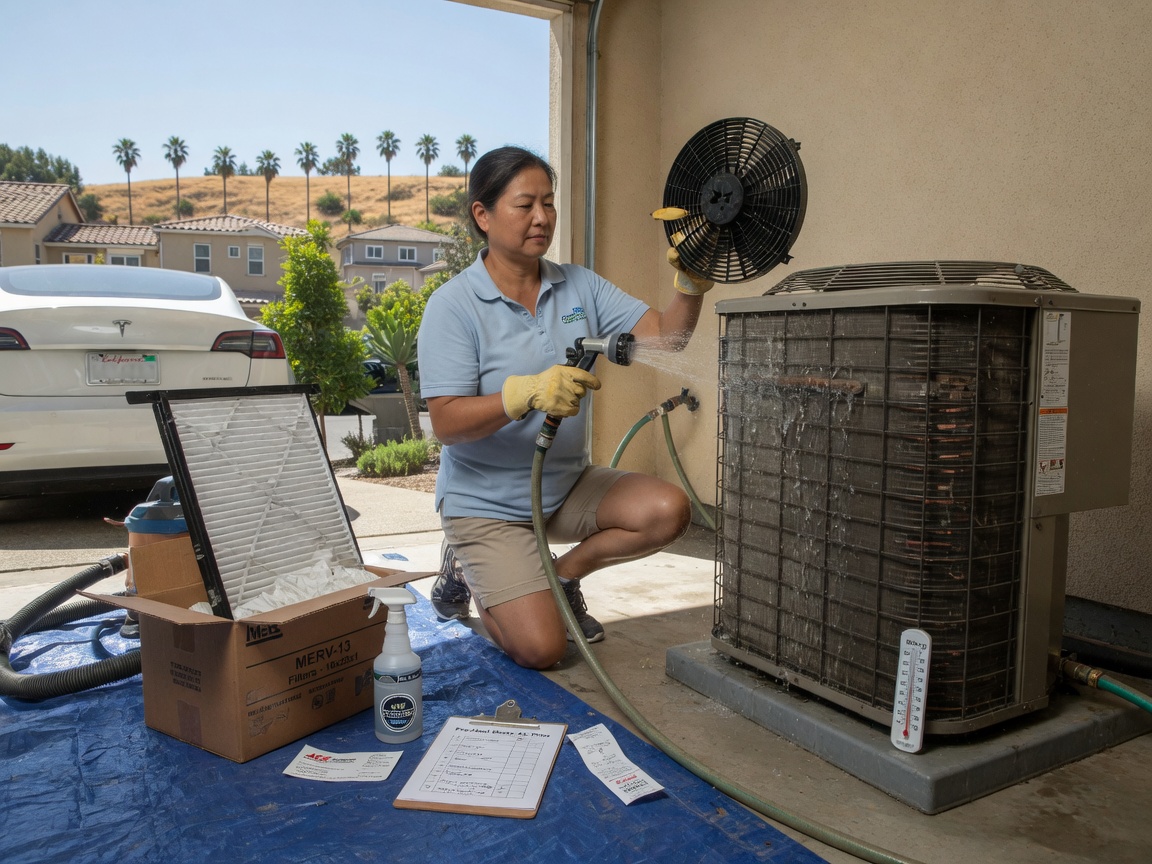
Start preparing your AC for heat waves in Cupertino by scheduling a full system check 4–6 weeks before summer peaks, focusing on refrigerant levels, capacitor health, and airflow across the 2–5 ton units common in single-story ranches throughout Monta Vista and Rancho Rinconada.
Cupertino Summer Heat Patterns and Housing Stock
Cupertino experiences warm dry summers that push afternoon highs into the 80s and low 90s even in a mild Mediterranean climate. Homes in Homestead and De Anza neighborhoods often date from the 1960s–1980s with original ductwork that leaks 20–30% of conditioned air into hot attics. Blue Hills and Oak Valley properties sit on gentle slopes where afternoon sun loads west-facing walls and windows hardest. These conditions shorten compressor life on units that already run longer cycles than those in cooler coastal pockets. Santa Clara County soil expands and contracts with winter rains, shifting slabs under outdoor condensers and creating vibration stress that loosens electrical connections before heat arrives.
Pre-Season Inspection Checklist
Begin with a visual check of the condenser coil for cottonwood fluff and road dust common near Cupertino Square and Vallco Shopping Center. Clear 2 feet of clearance around the unit and straighten bent fins with a fin comb. Test the thermostat by raising the setpoint 5–7 degrees for two hours and confirming the system responds within 90 seconds. Measure supply and return temperatures at two registers; a difference under 14 degrees signals low airflow or dirty coils. Replace the filter with a MERV 8–13 pleated model sized for your return grille. These steps catch 70% of issues that surface during the first 100-degree week.
Airflow and Duct Sealing Priorities
Leaky ducts in crawlspaces or attics waste the most energy when temperatures climb. Seal joints with mastic rather than tape in homes near De Anza College where older flex duct has degraded. Add insulation over attic ducts to R-8 minimum if current levels sit below R-4. In Rancho Rinconada two-story homes, verify that second-floor returns pull air without restriction from furniture placement. Professional static pressure testing reveals whether the blower can move the required 350–400 CFM per ton during sustained heat. HVAC Maintenance visits include these measurements and correct imbalances before heat waves hit.
Thermostat Programming and Load Reduction
Program setbacks of 4–6 degrees during peak utility hours when rates rise. Keep indoor humidity under 50% with the AC rather than a separate dehumidifier. Close south- and west-facing blinds by 10 a.m. in Oak Valley and Junipero Serra homes. Replace incandescent bulbs with LEDs to cut 1–2 degrees of internal heat gain. If your system struggles above 85 degrees outside, consider a smart thermostat upgrade that learns local patterns and pre-cools before noon. Readers can review detailed settings in our guide Energy Saving Tips for HVAC Use in Santa Clara County.
Knowing When to Schedule Repair
If the AC runs continuously yet indoor temperature rises above 78 degrees, or you hear short-cycling every 5–10 minutes, contact South Bay Heating and Cooling at 10337 Miller Ave #3 during Mon–Fri 7am–5pm hours. Refrigerant leaks, failing capacitors, and clogged drains appear quickly once heat loads increase. Early repair prevents compressor damage that costs $1,800–$3,200 to replace on 12–15-year-old units. Nearby residents in Sunnyvale and Los Altos face the same timeline because regional weather patterns align closely. For immediate issues, see our Air Conditioning Repair options.