
2026-08-19 · Tom Henderson
Energy Saving Tips for HVAC Use in Santa Clara County
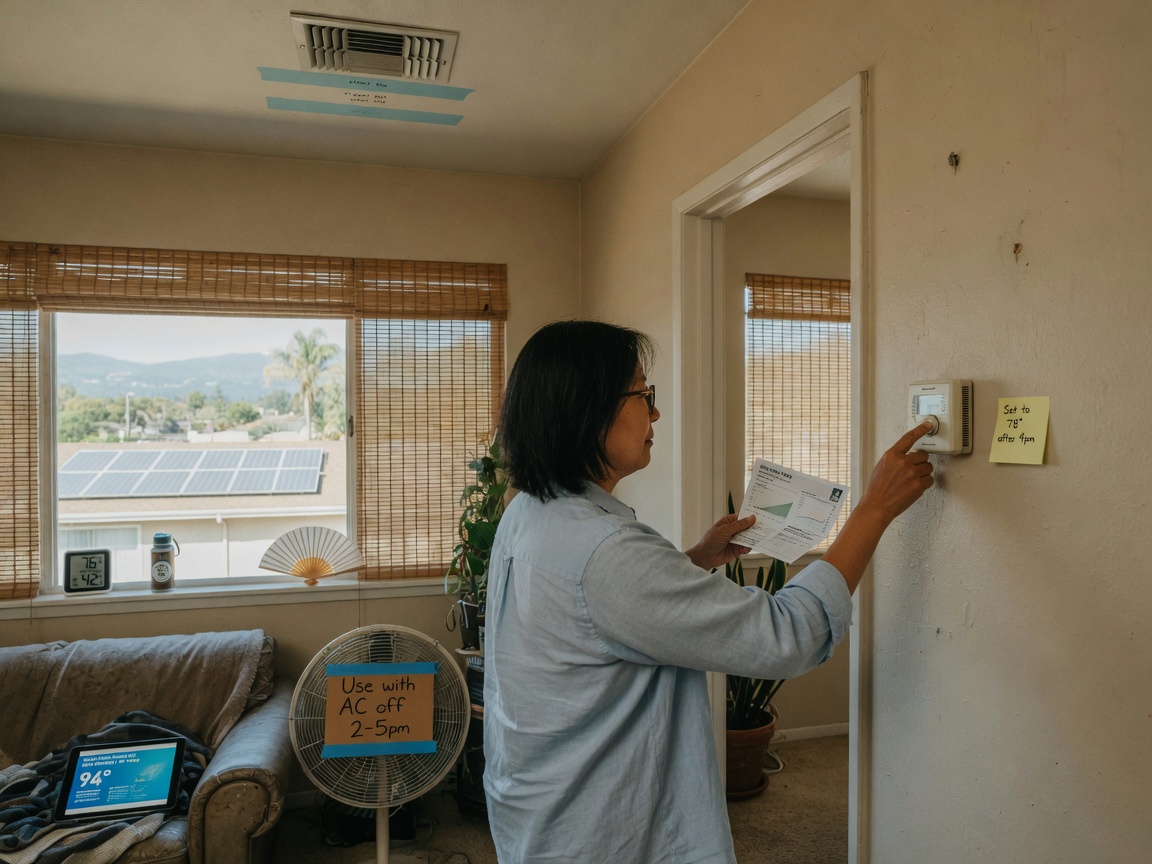
Residents in Santa Clara County can achieve 15-30% energy savings on HVAC use by implementing targeted strategies suited to the region's mild Mediterranean climate with warm dry summers and cool wet winters. Homes in Cupertino often feature single-story ranch styles from the 1960s-1980s in areas such as Homestead and De Anza, where ductwork runs through attics exposed to summer heat and winter moisture. These conditions increase runtime unless filters and airflow receive regular attention. Nearby cities like Sunnyvale and Los Altos share similar terrain and soil that affects outdoor unit placement and efficiency.
Matching Thermostat Habits to Local Weather Cycles
Cupertino's cool wet winters from November through March drive heating loads that climb when temperatures dip below 50°F at night, while July and August afternoons push cooling demands above 85°F. Setting a programmable thermostat to 78°F during occupied cooling hours and 68°F for heating reduces compressor and furnace cycles by 20% or more in typical 2,000-square-foot homes near Apple Park or De Anza College. Avoid constant adjustments that force the system to recover from wide swings. In neighborhoods like Blue Hills and Oak Valley, where many properties sit on slight slopes, morning sun exposure can warm interiors faster, allowing later startup times. Pair these settings with ceiling fans to improve perceived comfort without lowering the thermostat further.
Scheduling Maintenance Around Seasonal Shifts
Filter changes every 30-45 days during peak summer and winter months keep airflow steady through older duct systems common in Junipero Serra and Rancho Rinconada. Dirty filters force the blower motor to work harder, adding 10-15% to monthly electric costs in Santa Clara County homes. Annual professional tune-ups before May and October catch refrigerant leaks and worn capacitors that shorten equipment life to 8-12 years in the area's moderate but dusty environment. Readers seeking detailed filter guidance can review Replacing Filters During Allergy Season in Cupertino. Those planning control upgrades should examine the Cost Guide for Thermostat Upgrades in California for local pricing context. Consistent care prevents the short cycling that occurs when pollen and valley fog combine in spring and fall.
Sealing and Insulating for Cupertino Housing Stock
Many homes near Vallco Shopping Center and Blackberry Farm Park have attic insulation levels below R-30, allowing conditioned air to escape through unsealed ducts. Adding mastic sealant at joints and boosting insulation to R-38 cuts leakage by up to 25% in these 1970s builds. Outdoor units placed on the west side of properties in Monta Vista receive direct afternoon sun, raising condensing temperatures and energy draw. Simple shade screens or strategic plantings lower this load without obstructing airflow. Residents in adjacent Sunnyvale can apply the same steps; see details at Sunnyvale, CA. These physical improvements compound the savings from daily habits and keep systems running efficiently through the county's variable winter rains that promote outdoor coil corrosion.
Integrating Smart Controls With Existing Systems
Heat pumps and furnaces in Cupertino benefit from smart thermostats that learn occupancy patterns around De Anza College commute times. Integration with existing HVAC Maintenance plans allows remote alerts when filters clog or temperatures drift outside set ranges. In homes near Cupertino Historical Museum, where original single-pane windows remain, these controls prevent the system from overcompensating for heat gain. Track monthly kWh use before and after changes to confirm 15-30% reductions. Over time, these layered adjustments protect equipment longevity while matching the real demands of Santa Clara County's climate and housing stock.