
2026-08-19 · Tom Henderson
Benefits of Zoning Systems for Larger Homes in Cupertino
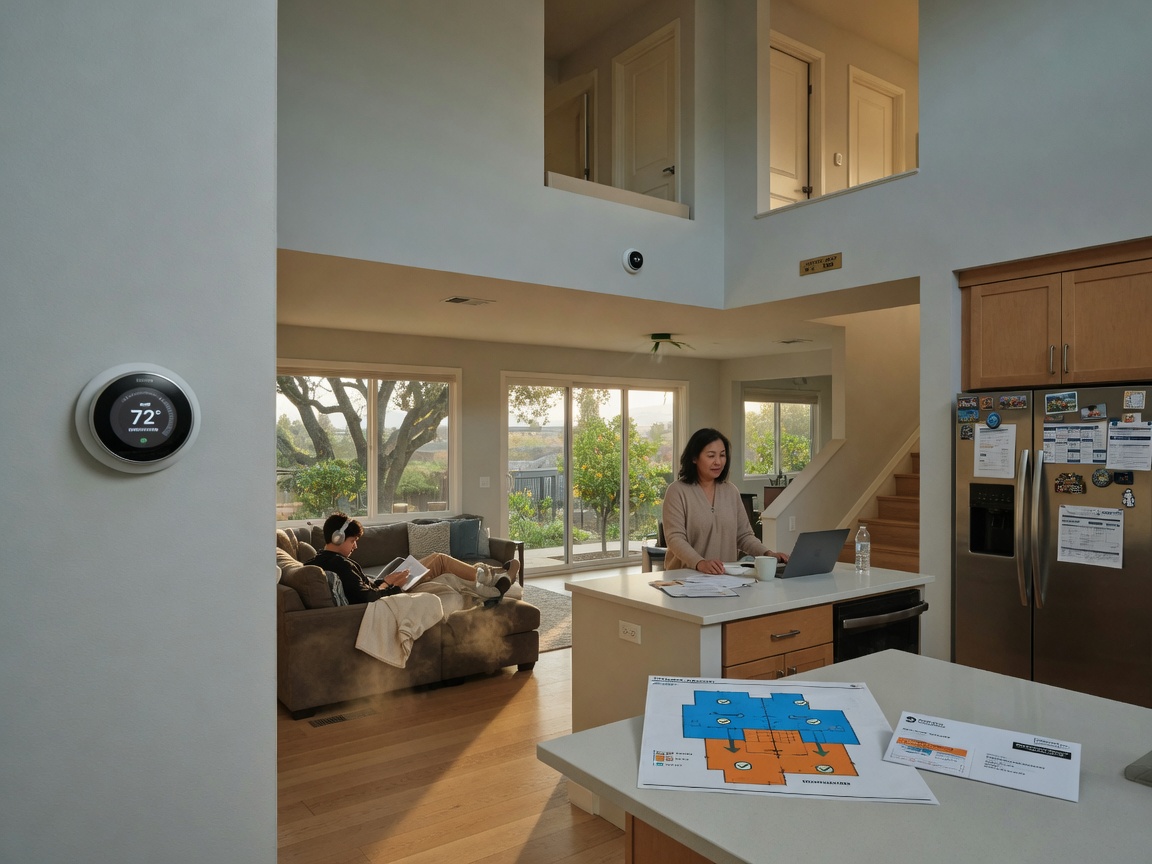
Zoning systems deliver independent temperature control for separate areas in larger Cupertino homes, directly addressing uneven heating and cooling that often occurs across multi-level or sprawling layouts common in neighborhoods like Monta Vista and Rancho Rinconada.
Handling Cupertino's Climate Patterns Across Larger Floor Plans
Cupertino experiences a mild Mediterranean climate with warm dry summers and cool wet winters that place varying demands on HVAC equipment throughout Santa Clara County. Larger homes in areas such as Blue Hills and Oak Valley frequently feature multiple stories or extended wings where a single thermostat cannot maintain consistent conditions. Zoning divides the ductwork into separate sections with dedicated dampers and thermostats so each zone receives only the heating or cooling it needs. This setup prevents over-conditioning unused spaces during shoulder seasons when daytime temperatures rise quickly but evenings cool rapidly. Homeowners in De Anza and Homestead report fewer complaints about second-floor heat buildup in summer and first-floor chill during winter mornings. Proper zoning also reduces strain on equipment by limiting runtime in lightly used zones, which aligns with routine HVAC Maintenance schedules that keep dampers and controls calibrated year-round.
Matching Zoning to Local Housing Stock and Terrain
Many larger homes in Cupertino date from periods when builders prioritized expansive single-story or split-level designs on the flat to gently rolling terrain near De Anza College and Cupertino Square. These layouts create long duct runs that lose efficiency when forced to serve every room at once. Zoning retrofits add motorized dampers at key branch points so upper levels or guest wings can be isolated without affecting main living areas. Soil conditions in Santa Clara County remain stable enough that basement or crawl-space access for damper installation stays straightforward in most properties. Nearby cities such as Sunnyvale and Los Altos share similar housing patterns, allowing crews familiar with local construction to complete zoning work with minimal disruption to existing duct systems. The approach works equally well when paired with Air Conditioning Installation projects that include new variable-speed equipment capable of modulating output to zoned demands.
Energy and Comfort Outcomes for Multi-Zone Homes
Larger homes in Junipero Serra and Oak Valley often contain 3,000 square feet or more spread across wings that see different occupancy patterns throughout the day. Zoning lets residents set cooler temperatures only in occupied bedrooms at night while maintaining milder settings in living areas used during daytime hours. This targeted operation lowers overall runtime compared with single-zone systems that must satisfy the most demanding room. Concrete benefits appear in reduced wear on compressors and blowers because equipment cycles less frequently to meet averaged demands. Residents near Blackberry Farm Park and the Cupertino Historical Museum note steadier humidity levels once separate zones prevent short-cycling in mild spring and fall weather. For readers tracking ongoing expenses, the article Average Repair Costs for Common HVAC Problems Locally outlines how zoned systems can shift maintenance needs toward damper adjustments rather than full-system overhauls.
Installation Realities for Cupertino Homeowners
Zoning projects in Santa Clara County typically begin with a room-by-room load calculation that accounts for window orientation, insulation levels, and solar exposure common in neighborhoods around Vallco Shopping Center. Technicians map existing duct trunks to identify the fewest damper locations that still create effective separation. Access panels are added at strategic points so future inspections remain simple. Because the business operates Monday through Friday from 7am to 5pm at 10337 Miller Ave #3, Cupertino, CA 95014, scheduling aligns with typical homeowner availability without weekend work. Integration with existing furnaces or heat pumps requires only minor electrical additions for damper motors and zone thermostats. Follow-up testing confirms each zone reaches set points independently before the system is released for daily use.